Understanding the Benefits of a Toy Kitchen
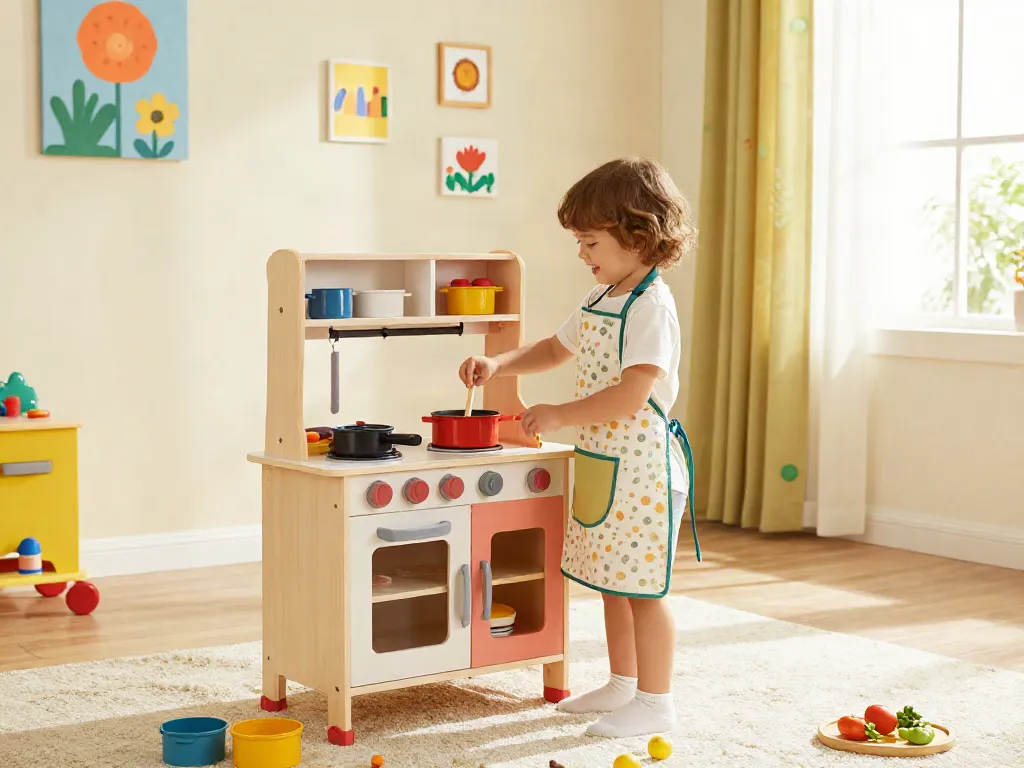
A toy kitchen is more than just a plaything; it serves as a magical gateway to the world of creativity and development for children. These miniature cooking sets allow young ones to emulate real-life cooking experiences, thereby enriching their imaginative play. As kids engage in pretend cooking, they discover various roles, experiment with scenarios, and develop essential life skills that will benefit them as they grow.
Enhancing Imagination and Creativity
Toy kitchens stimulate children's creativity by encouraging them to invent stories, scenarios, and characters. When a child pretends to be a chef, they can create an elaborate menu or serve imaginary guests. This kind of imaginative play is crucial as it allows children to express themselves and think outside the box, fostering cognitive development and problem-solving skills.
Encouraging Interactive Play
Interacting with others is a fundamental social skill. Toy kitchens often become the epicentre of social play, where children gather to collaborate, negotiate roles, and share in the fun. By playing together, they learn about cooperation, communication, and conflict resolution—all vital skills for navigating their social environments.
Developing Fine Motor Skills
As children manipulate small utensils, pretend food, and various kitchen gadgets, they enhance their fine motor skills. Activities such as pouring, slicing, and arranging items in their toy kitchen help improve dexterity and hand-eye coordination, which are important for tasks they will encounter in everyday life.
Choosing the Right Toy Kitchen for Your Child
Not all toy kitchens are created equal. Selecting the right one involves considering various factors to ensure it meets your child's needs and preferences. The market offers a wide range of toy kitchens, from compact setups for toddlers to larger, more elaborate models designed for older children.
Types of Toy Kitchens Available
When choosing a toy kitchen, you'll find several types, including:
- Wooden Kitchens: Known for their durability and aesthetic appeal, wooden kitchens often feature realistic designs and can withstand years of play.
- Plastic Kitchens: Lightweight and often equipped with interactive features like sounds and lights, plastic kitchens are easy to move and handle.
- Tabletop Models: Compact and space-saving, these kitchens are perfect for smaller living areas.
- Deluxe Sets: With added accessories, these feature-packed kitchens encourage more extensive play and role-playing scenarios.
Materials and Safety Considerations
Safety is paramount when selecting a toy kitchen. Look for kitchens made from non-toxic, durable materials with smooth edges to prevent injuries. Certifications such as EN71 or ASTM indicate compliance with safety standards, thus assuring parents of the product's safety.
Age-Appropriate Features and Accessories
It's important to choose a kitchen that matches your child's age and developmental stage. Younger children may benefit from simpler models with larger, more manageable parts, while older children might enjoy more complex setups that incorporate interactive features, such as cooking sounds or lights.
Setting Up the Perfect Play Space
A well-organised play area enhances the experience of using a toy kitchen and encourages children to engage in imaginative play. Think of your child’s play space as a mini kitchen that's both inviting and functional.
Designing a Safe and Inviting Environment
Ensure the play area is safe by keeping it clutter-free and using soft mats to cushion any falls. Adding colourful decor, such as posters or themed items, can make the space feel more welcoming and stimulate creativity.
Organizing Play Accessories Efficiently
To make playtime more enjoyable, consider using storage solutions for play food and kitchen accessories. Baskets or labelled containers make it easy for children to find and put away items, teaching them organisational skills and responsibility.
Incorporating Educational Elements
Transform playtime into a learning experience by integrating educational components. Incorporate counting and sorting activities with play food items, or encourage children to create simple recipes to follow while playing, reinforcing their understanding of numbers and sequences.
Engaging Your Child with the Toy Kitchen
Active participation in your child's playtime can significantly enhance their learning experience and strengthen your bond. Engage them in various activities to make the most out of their toy kitchen.
Involving Family in Playtime Activities
Family involvement can bring a new level of excitement to playtime. By joining your child in their cooking adventures, you can model social skills and introduce concepts like sharing, teamwork, and negotiation.
Integrating Kitchen Play with Real Cooking
Consider using your toy kitchen as a practice ground for real-life cooking. Encourage children to replicate simple recipes and assist in the kitchen when preparing meals, allowing them to relate their play to actual cooking experiences.
Using Play to Teach Responsibility
Incorporate lessons about responsibility by assigning children simple tasks related to their toy kitchen. Encourage them to clean up after playtime or take care of their pretend food items, teaching them valuable life skills.
Future Trends in Toy Kitchens for 2026
The toy kitchen market continues to evolve, reflecting trends in technology, sustainability, and educational approaches. As we look toward 2026, several key trends are emerging.
Innovations in Design and Technology
Future toy kitchens are expected to feature technological advancements, such as digital interfaces and interactive apps that guide children through play scenarios. This can create immersive experiences that further enhance learning and creativity.
Eco-Friendly and Sustainable Options
With growing awareness of environmental issues, manufacturers are increasingly producing eco-friendly toy kitchens made from sustainable materials. These options not only teach children about sustainability but also appeal to environmentally conscious parents.
Adapting to Children’s Evolving Interests
As children's interests change, so too will the designs of toy kitchens. Future models may incorporate features that reflect current trends in cooking, such as plant-based cuisine or international dishes, keeping play relevant and engaging.
What will Toy Kitchens look like in the Future?
As toy kitchens evolve, we may see more customisation options, allowing children to personalise their kitchens according to their tastes. Furthermore, we might witness an integration of augmented reality features that can bring an entirely new dimension to their play, making it more interactive and educational.